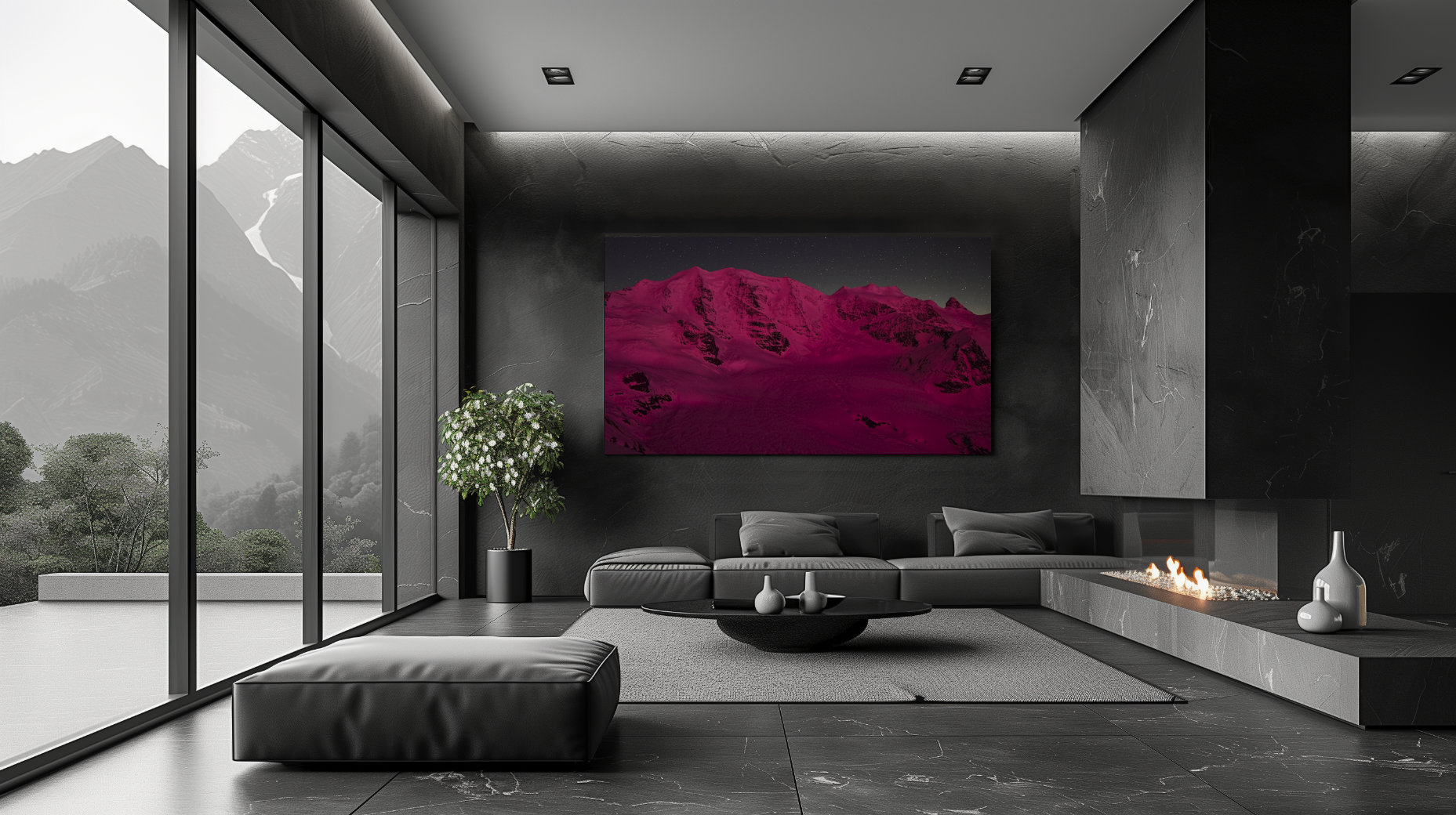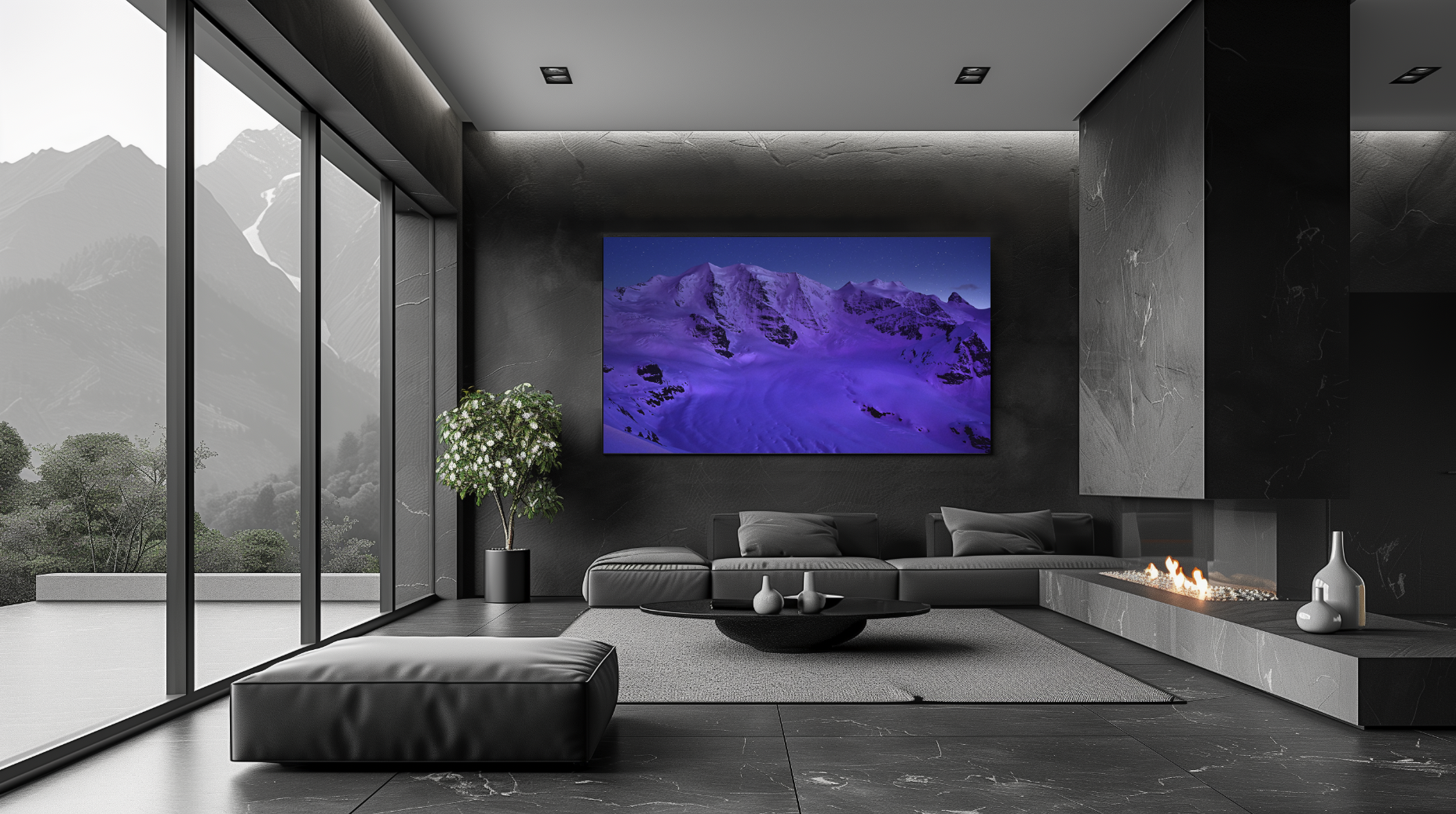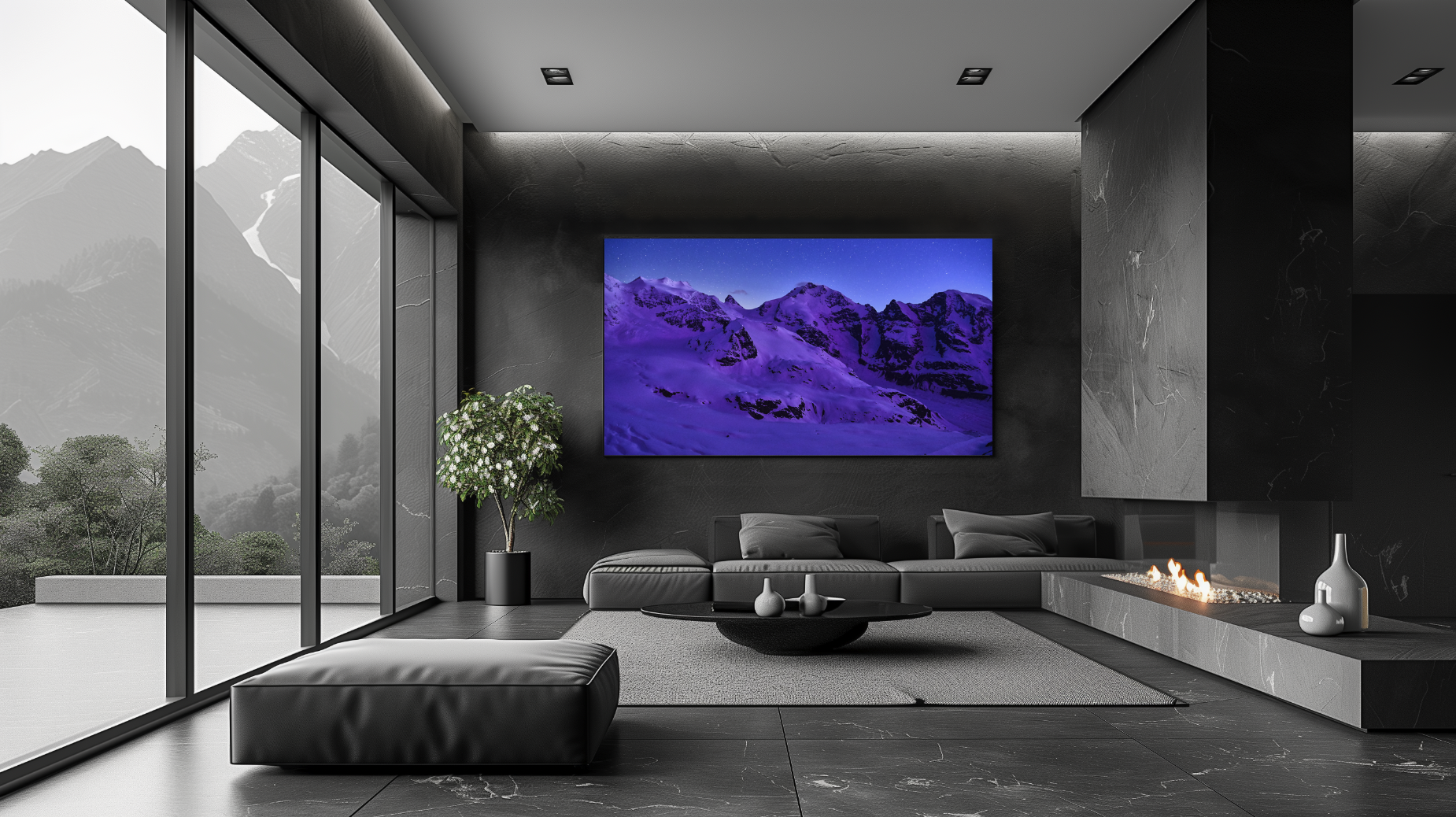
Solar Storm in the Alps
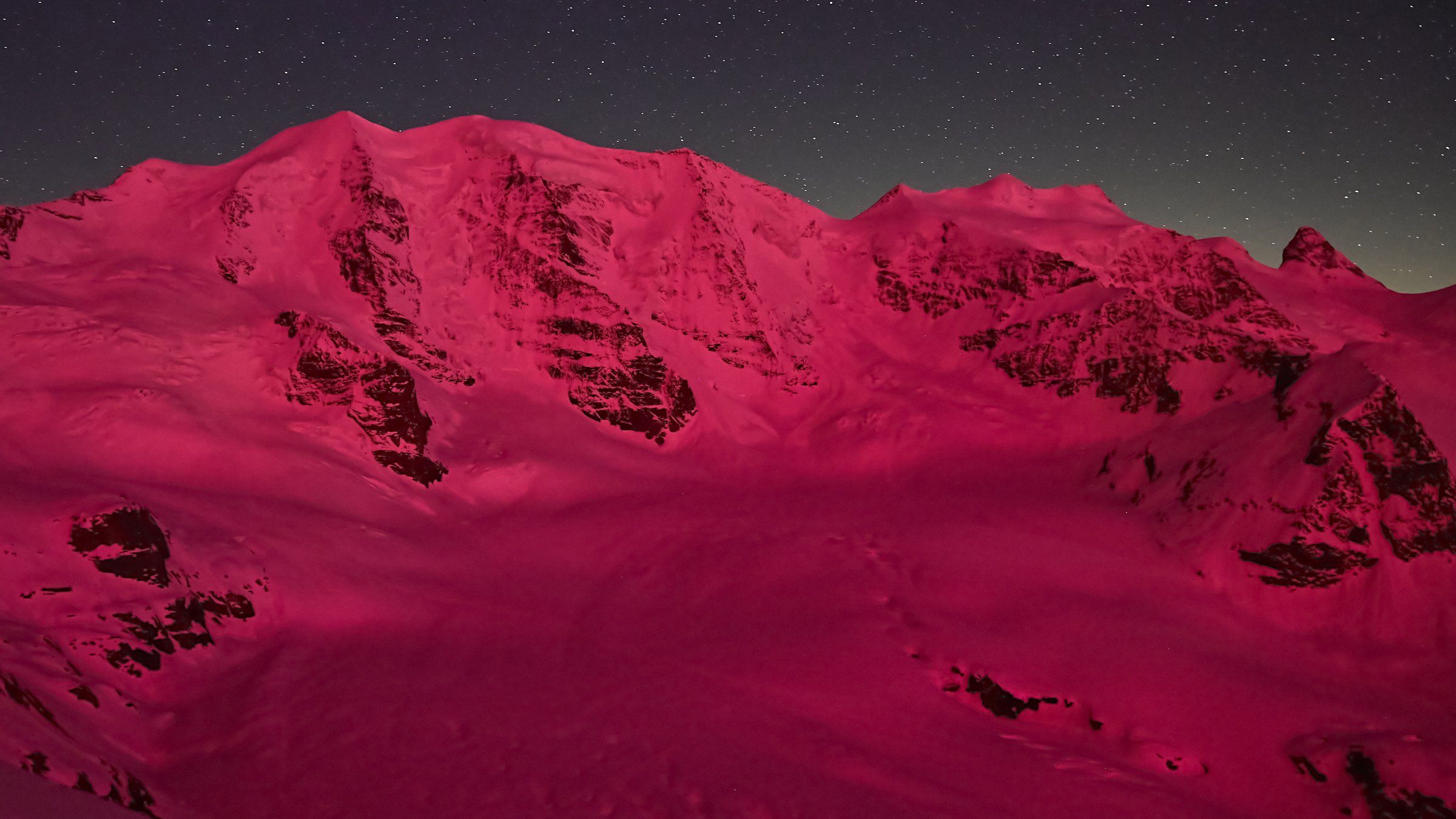
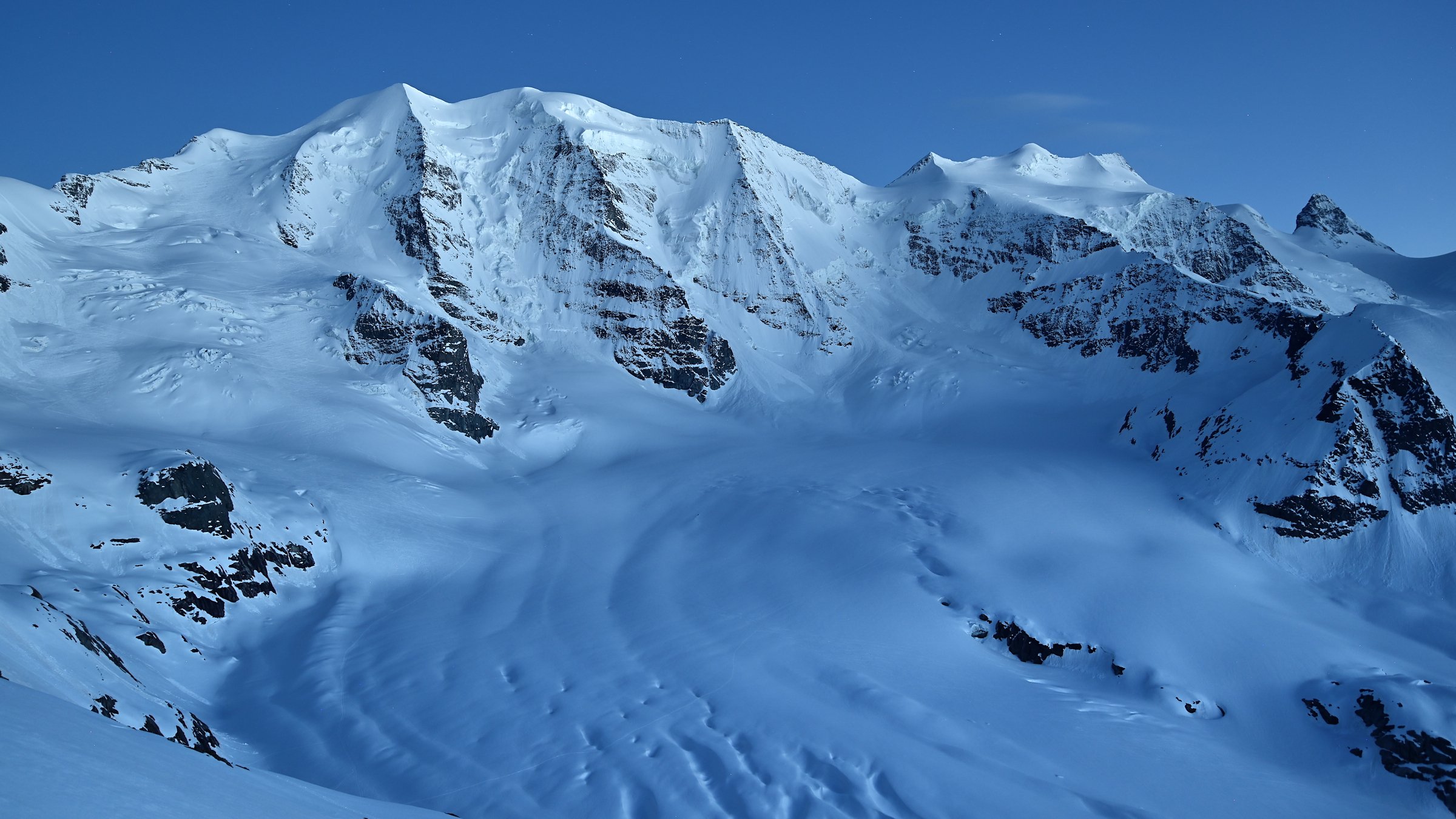

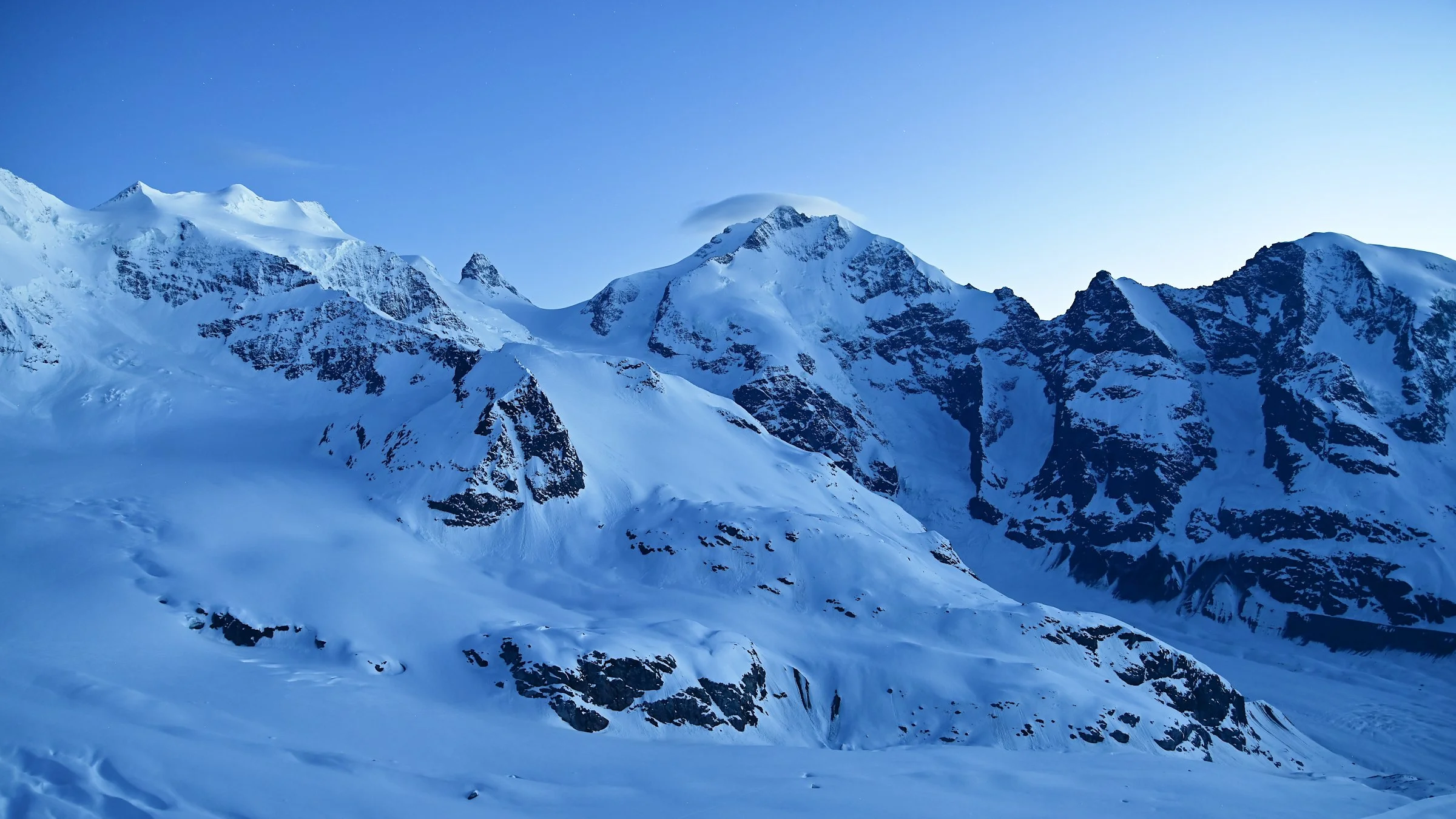


Solar Storm in the Alps
As a photographer who's been capturing glaciers for two decades, I've often thought and read a lot about the sun's role in climate change. In the past few days, a unique opportunity came up to capture something extraordinary – a massive solar storm that unfolded across the Northern Hemisphere, including over the peaks of the Alps.
Between May 10th and 12th, 2024, the solar storms hit their peak activity, classified as G5 – the highest level on the geomagnetic storm scale. At almost 3,000 meters up on the Diavolezza in Engadin, near St. Moritz, my cameras captured the breathtaking spectacle of the Northern Lights. The photos caught the surreal light and reflections on the still-white mountains and glaciers.
Right now, we're in the 25th Schwabe solar cycle, and what we've seen these past few days is just the beginning. Scientists are debating whether the peak will be in October 2024 or the first half of 2025. The fixed cameras from the glaciers.today project will definitely capture the peak photographically.
This event wasn't just a visual treat; it was also a reminder of the natural forces that extend beyond our immediate surroundings. The solar storm, a result of the solar cycle's peak, draws a parallel to the gradual, yet equally powerful, changes happening on Earth's surface.
Solar Cycles and What They Mean
Solar activity, including solar storms, is shaped by various cycles, with the 11-year Schwabe cycle being the most famous. This cycle involves a regular increase and decrease in sunspot numbers and solar flares, and it has subtle but significant effects on space weather and Earth's climate.

| Name | Duration | Description | Impact on Climate | Current Phase |
|---|---|---|---|---|
| Schwabe Cycle | 11 years | A regular cycle of sunspot numbers that peaks roughly every 11 years. | Influences short-term climate patterns, can affect regional climates. | Close to maximum (peak around 2025) |
| Hale Cycle | 22 years | The Sun's magnetic activity cycle, which involves the reversal and restoration of the Sun's magnetic poles over 22 years. | Modulates global climate patterns over decades. | First half, approaching pole reversal |
| Gleissberg Cycle | 70-100 years | A longer-term variation in solar activity that modulates the amplitude of the 11-year cycles. | Linked to longer-term climate variations. | Phase of increasing activity |
| Secular Variations | 200-500 years | Long-term trends or irregular fluctuations in the Sun's activity levels over centuries. | Can contribute to major climate changes over several centuries. | Phase of moderate to high activity |
| Hallstatt Cycle | Around 2300 Years | A really long-term swing in the sun's activity, lasting roughly 2300 years. | Potentially linked to big, long-term climate changes over thousands of years. | Phase of rising activity (estimated) |
How changes in space and on Earth interact
As someone deeply involved with glaciers, I find the interaction between solar cycles and Earth's climate fascinating. Even though science tells us that solar cycles like the Schwabe cycle have a more subtle effect compared to human-caused factors, they still remind us of how dynamic and interconnected our universe is.
The recent solar storm wasn't just a spectacular sight; it also highlighted how important it is to understand our environment, both near and far. As we keep watching how climate change affects glaciers, recognizing the broader cosmic forces at play really enriches our understanding of Earth's place in the universe.
Through my photography, I want to keep documenting these important events and build a visual bridge between the immediate effects of climate change and the grand, far-reaching dynamics of solar activity. These images aren't just records; they're also a call to action to protect and preserve our planet for future generations.
Jürg Kaufmann
The stunning images of solar storms over the Alps were captured with the high-resolution cameras from the glaciers.today project and can be printed up to 200 cm in size. By purchasing a picture, you'll be supporting the glaciers.today project.