
Insights
Look closely. Decide. Stick with it.
#consideryourimapct
What photography, glaciology, climate physics, and direct observation reveal about glaciers - explained factually, precisely, and understandably.
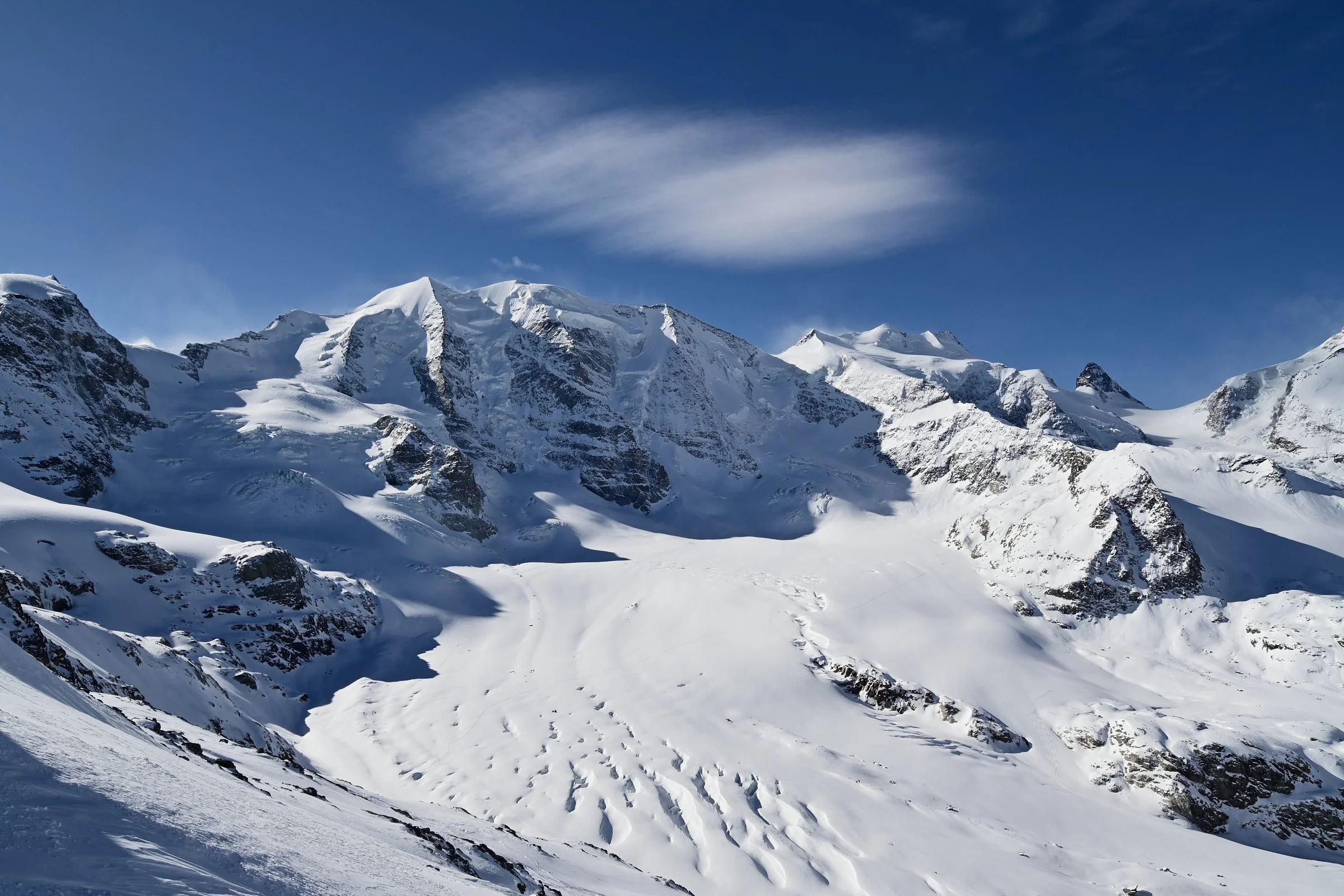
Not much snow this winter means less protection for the summer.
The winter of 2025/26 brought only half the usual amount of fresh snow to the Engadin. What a thin snowpack means, physically speaking, for Morteratsch and Pers.
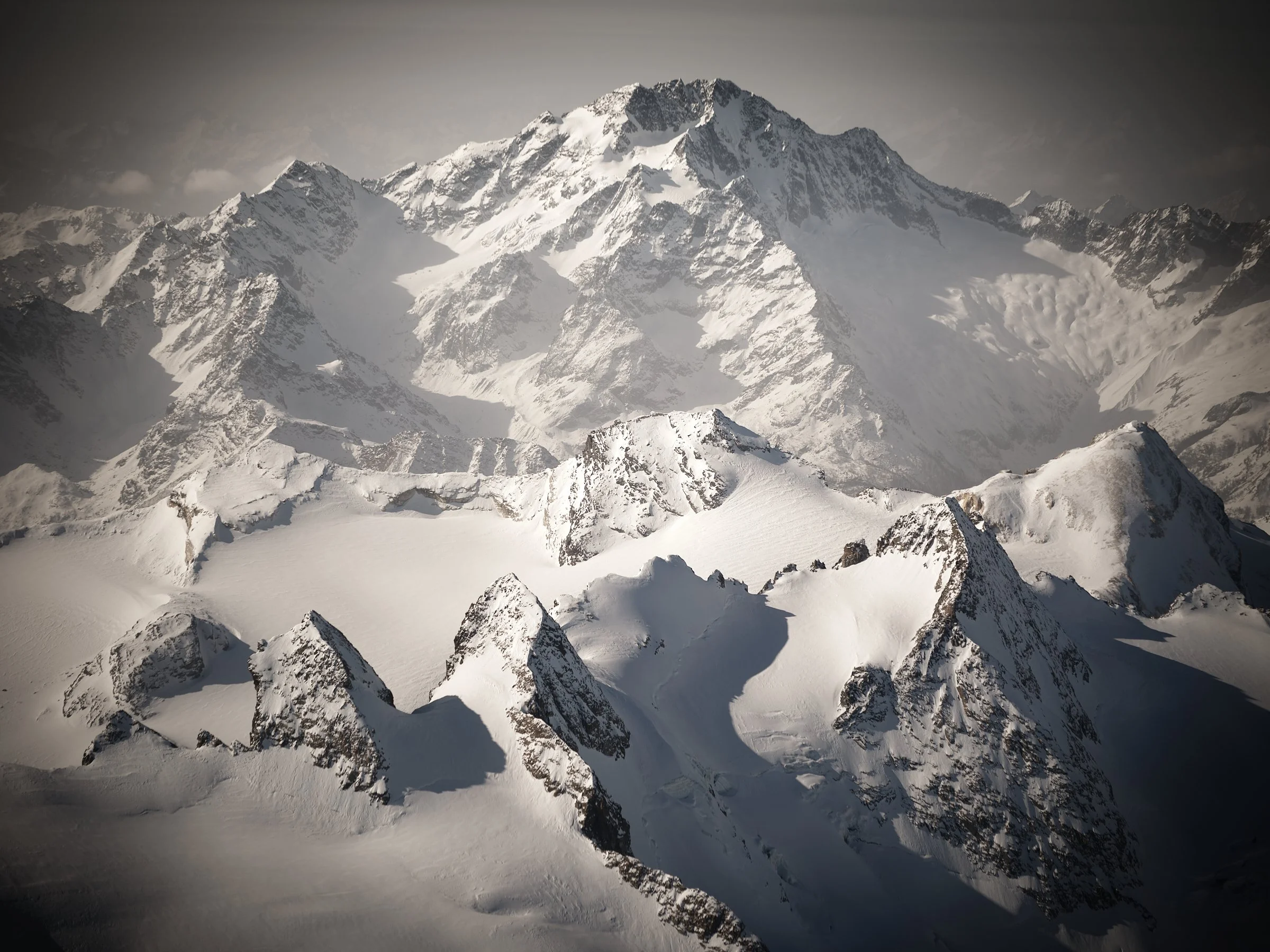
When the Sahara reaches the Alps: How microscopic particles make glacier ice melt
Iron-rich dust particles from the Sahara absorb sunlight on glacier surfaces and convert it into heat. What does this mean for glaciers?
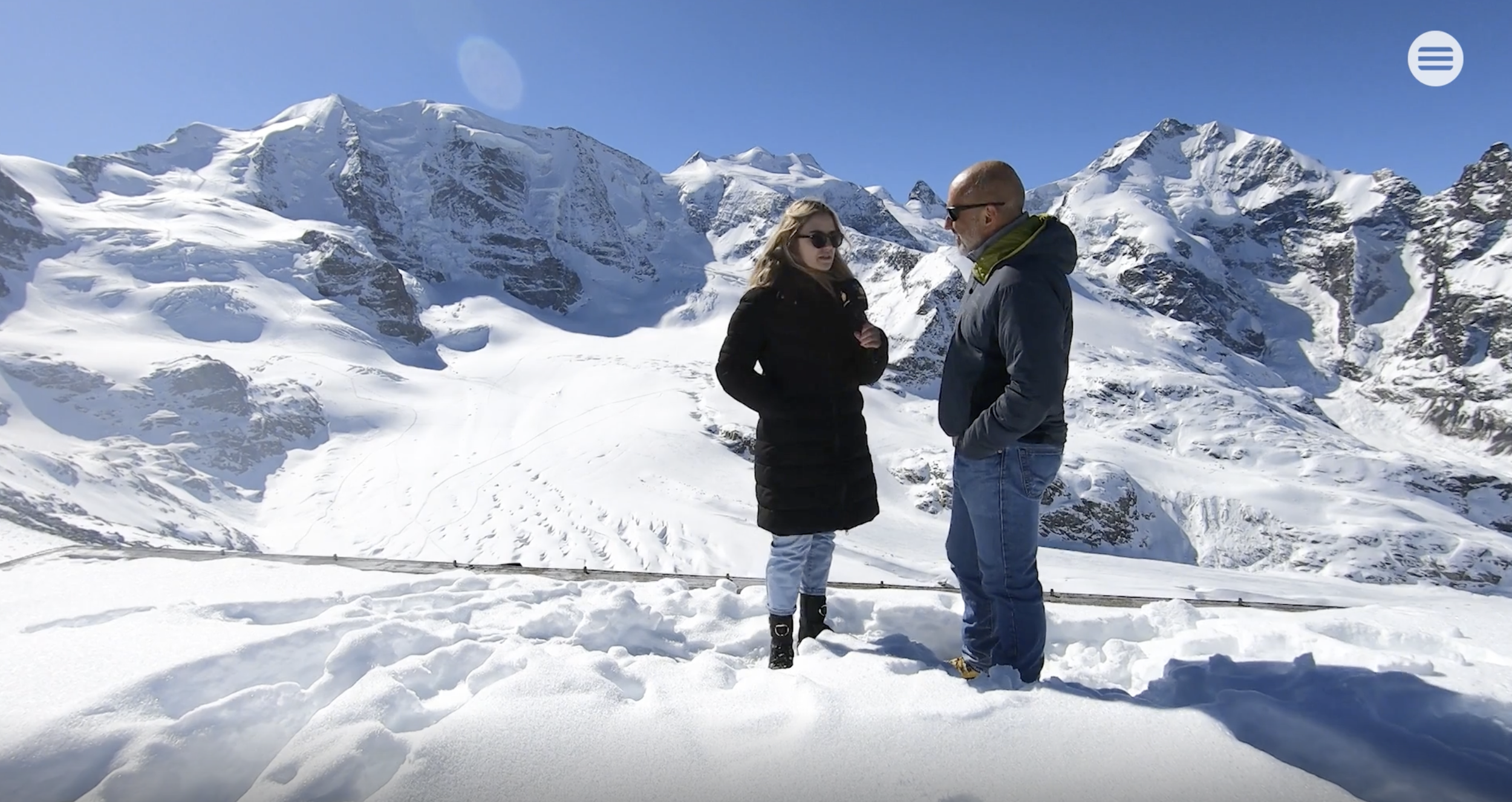
Glaciers.Today on Rondo Weather on TV Südostschweiz
How climate change is changing our glaciers: Jürg Kaufmann shows on TV Südostschweiz how Glaciers.Today documents these changes – all for a better harmony with nature.
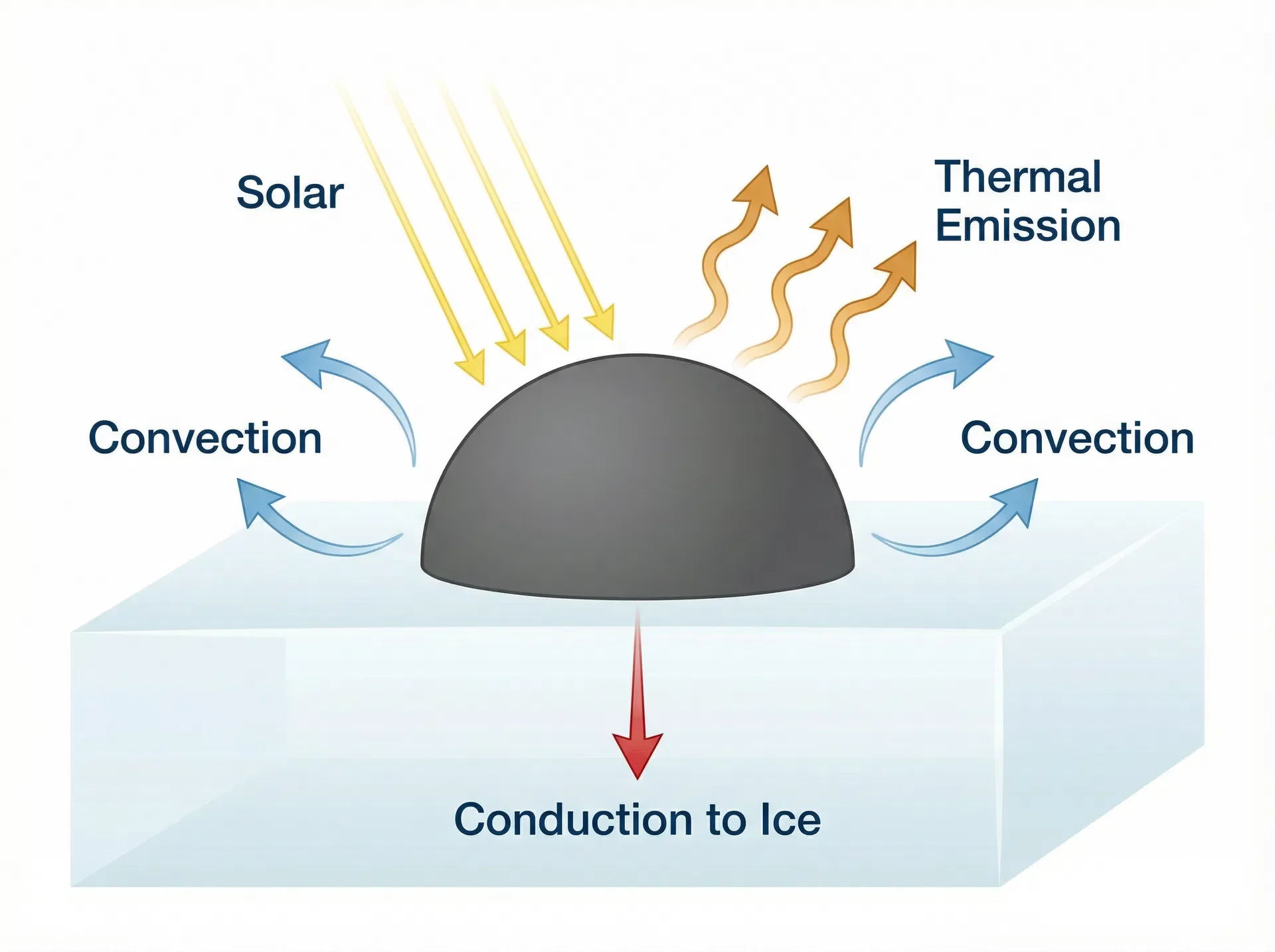
Albedo Effect, Dark Rocks, Melting Ice
The Albedo Effect - Max Planck's Black-Body Radiation Law on Glaciers
Learn how dark rocks on glacier surfaces absorb solar radiation, following Planck's black-body radiation law. These rocks heat up and speed up ice melt through heat conduction.
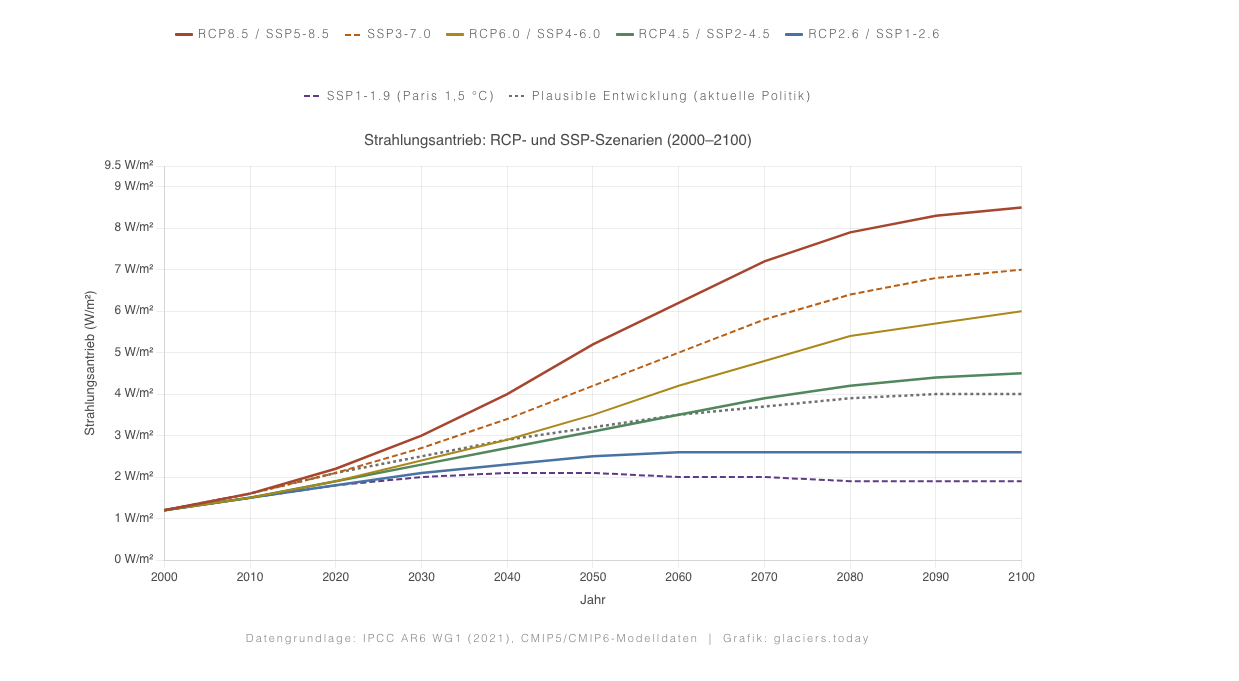
Climate models: What they calculate, and why there are so many of them.
Climate models are highly complex computer programs. Around 49 research groups worldwide use them to independently calculate how the atmosphere, oceans, and ice interact. This article explains what physical measurements are taken, why the results still differ from one another, and where the greatest uncertainties lie: in clouds, aerosols, and solar amplification mechanisms.
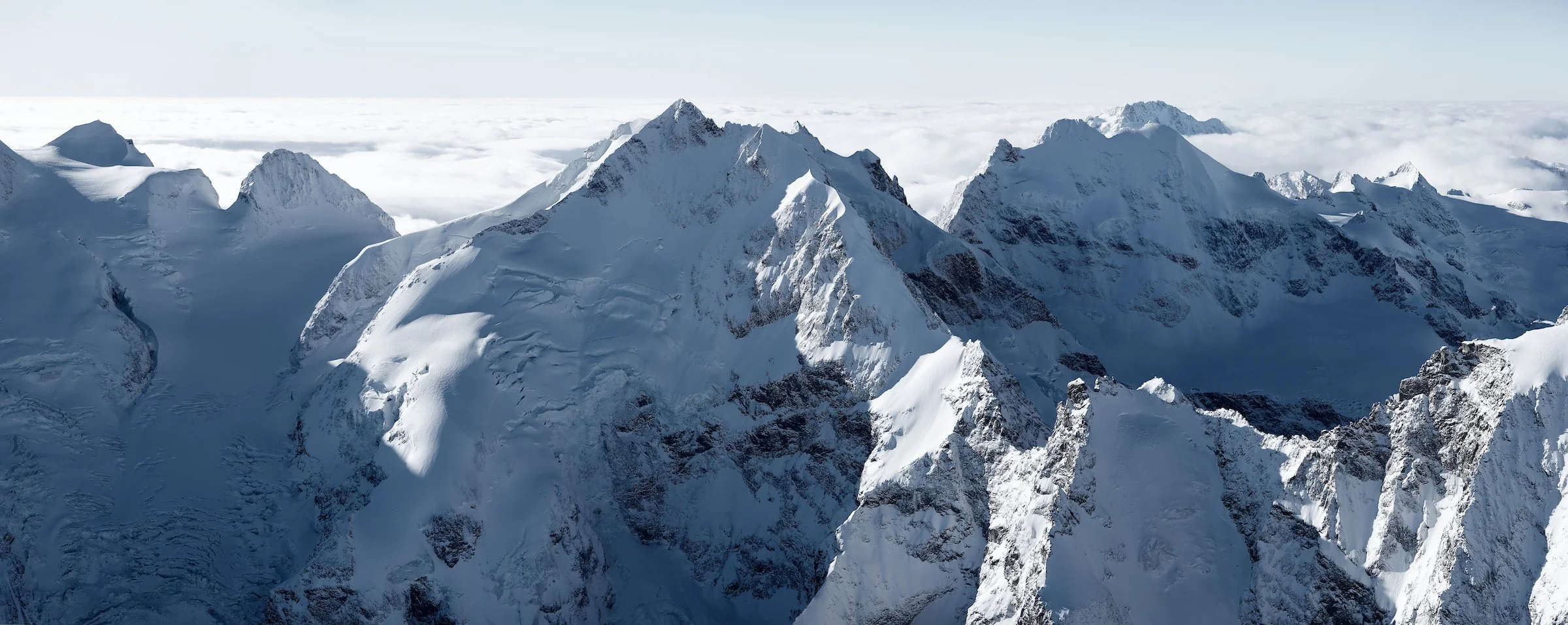
Milanković Cycles and Glaciers
Milanković Cycles explained: How Earth's orbit – its eccentricity, obliquity, and precession – has been controlling the growth and shrinking of Alpine glaciers for thousands of years.
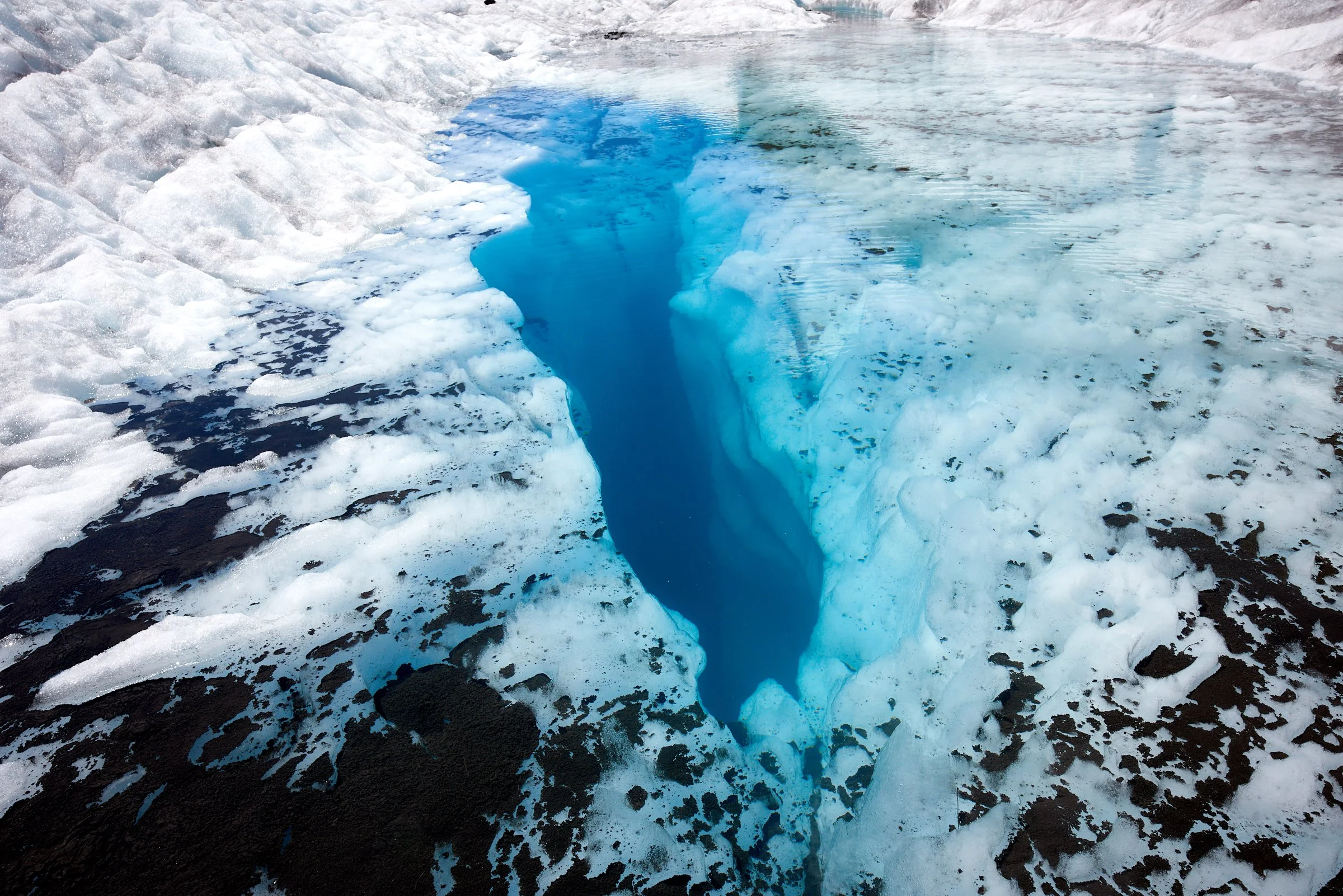
Is drinking glacier water safe or dangerous?
Glacier water looks pure—but is it? Bacteria, fungi, and antibiotic resistance genes live in the ice. Here’s what scientists have found.
The History of Earth – From the Big Bang to the Last Light, We Are Just Guests
Our Earth is 4.56 billion years old. Humans? We've only been around for a tiny 0.0066 percent of that time! Our planet has seen some incredible things: it was once an ocean of lava, turned into an ice ball more than once, and will eventually burn up in the sun. This is its story – from the Big Bang to its final light.
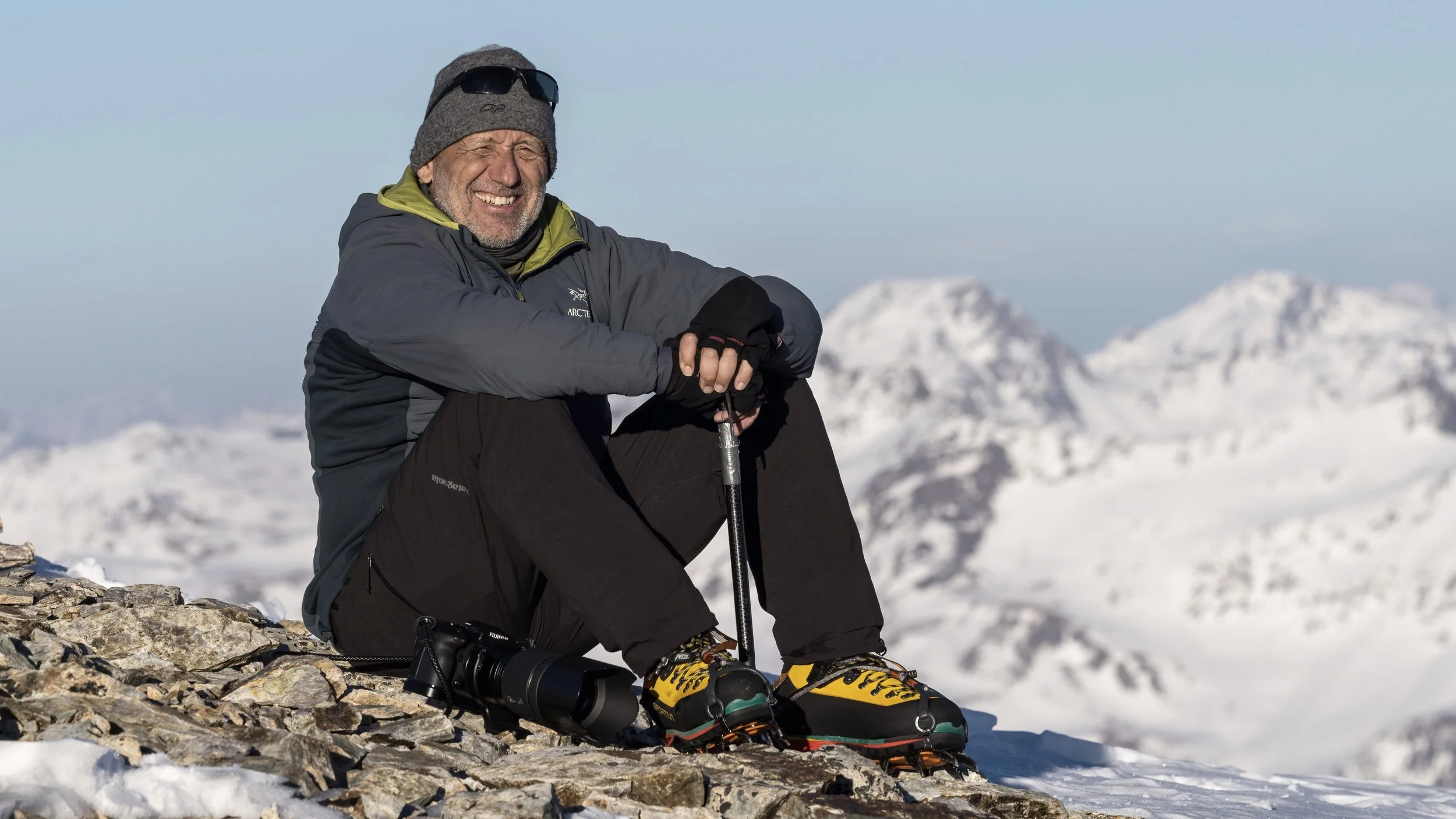
Two Years of Glaciers.Today – an Update with a Look to the Future
In just over a month, we'll be celebrating two years of Glaciers.Today – live and uninterrupted. However, the idea for the project came about many years earlier. Meanwhile, we've built up an online archive with over 30,000 high-resolution images.

Hidden Time – What the Ice at Morteratsch Tells Us
At the Morteratsch Glacier, bedrock is exposed that is up to 1,800 years old. What the ice cave reveals, how to reach it, and its scientific significance.

Energy in Nature
In Nazaré, where gigantic waves roll, I often wondered: How much energy is actually in a single wave? The answer is impressive. A wave holds enormous potential, a force that, if we could harness it, would change the world.

High Alpine Photography Retreat
A completely new experience combining an alpine retreat and a photography workshop in the high-alpine setting of the Engadine glaciers, nestled between the famous Piz Bernina and Piz Palü.
The goal of this retreat is to take your time on location, observe the landscape, and develop a deeper, more meaningful understanding of it. Create a collection of carefully curated, individual photographs that reflect your unique vision and style.
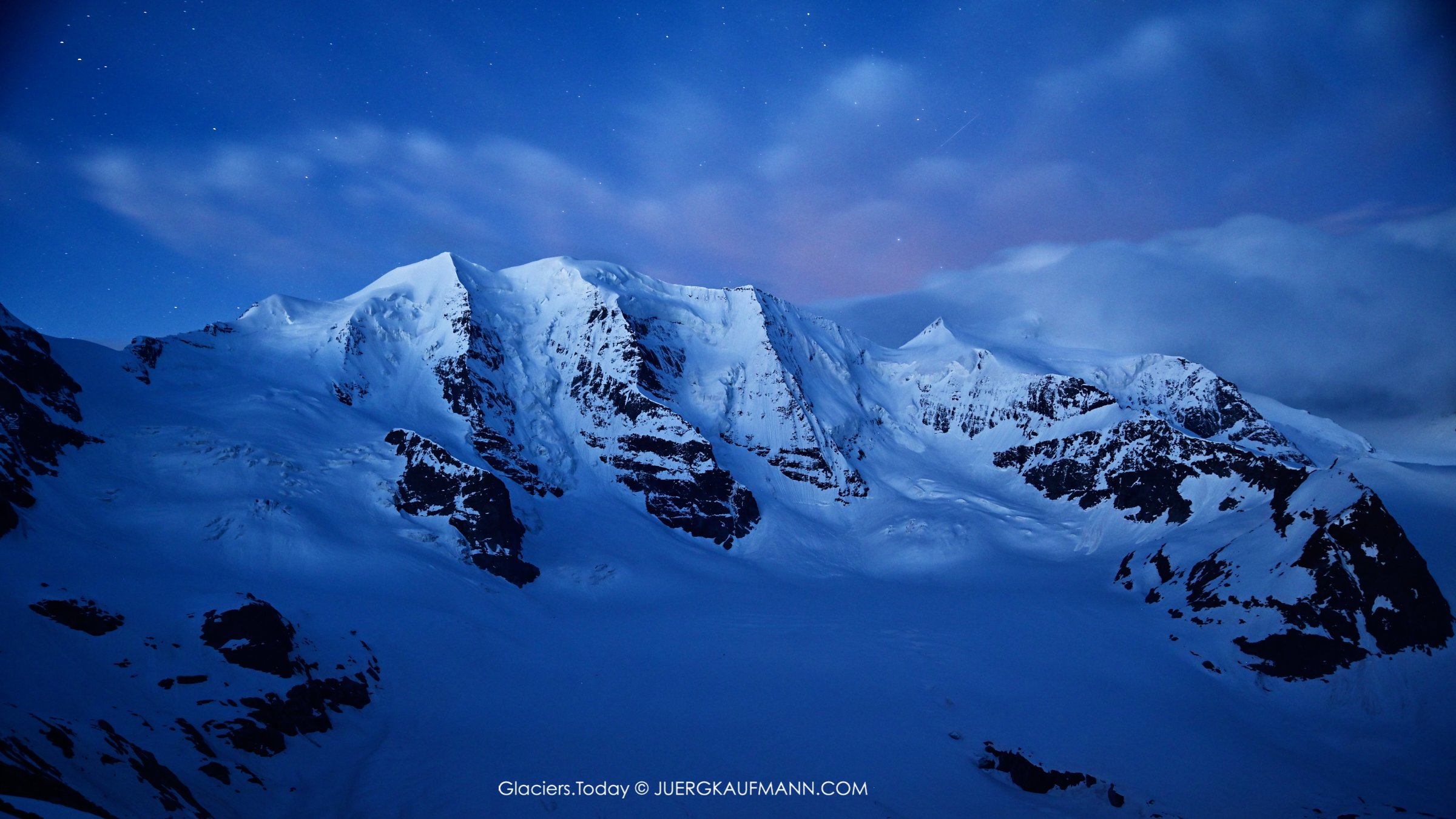
The first 365 days of glaciers.today
See how our solar-powered cameras on Diavolezza capture the effects of climate change on glaciers, support mountain rescue, and reveal nature's hidden wonders.
IPCC Report AR 6: What does the Intergovernmental Panel on Climate Change say about our glaciers?
What does the IPCC report really say about our glaciers? I’ve read all 184 pages and divided the findings strictly into three categories: observational data, physical laws, and interpretations. After all, anyone who wants to protect the glaciers must first understand what constitutes established facts—and where the assumptions begin

Solar Storm in the Alps
On the nights of May 10th to 12th, 2024, solar storms / auroras reached a peak in activity, classified as G5 – the highest level on the geomagnetic solar storm scale. At almost 3,000 meters up on the Diavolezza, our cameras captured the breathtaking aurora display.

Lots of new snow on the glacier
This winter (2024), we've actually seen more snow on the glaciers and in higher areas, even though the climate is getting warmer. This has several implications for the future of glaciers:

Storm on Piz Palü
Storm on Piz Palü: A truly spectacular natural show
A storm rolled in, bringing clouds that dramatically wrapped around the mountain's peaks and flanks.


Behind the Scenes with ARD: The Impact of Climate on Glaciers
ARD's latest documentary features the groundbreaking Glaciers.Today project. See firsthand how we're capturing the dramatic effects of climate change on Alpine glaciers, including an insightful discovery at the Tschierva Glacier in Engadin.
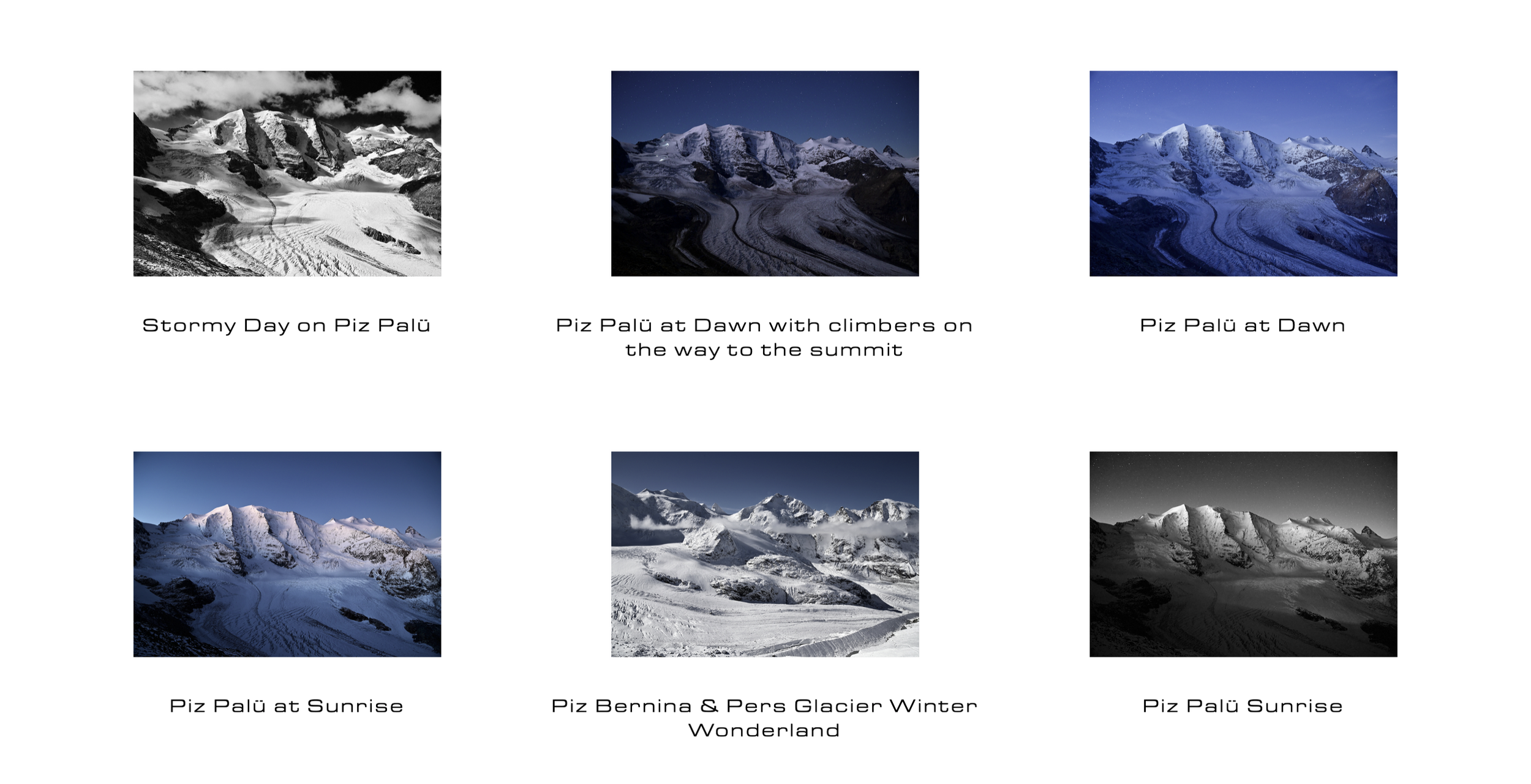
Exclusive Images from Glaciers.Today Now Available
Experience the beauty of the Alps in our Glaciers.Today photo collection. Every purchase of these images directly supports glacier research and protection. Explore our collection now and support our commitment to environmental protection.