
Insights
Look closely. Decide. Stick with it.
#consideryourimapct
What photography, glaciology, climate physics, and direct observation reveal about glaciers - explained factually, precisely, and understandably.
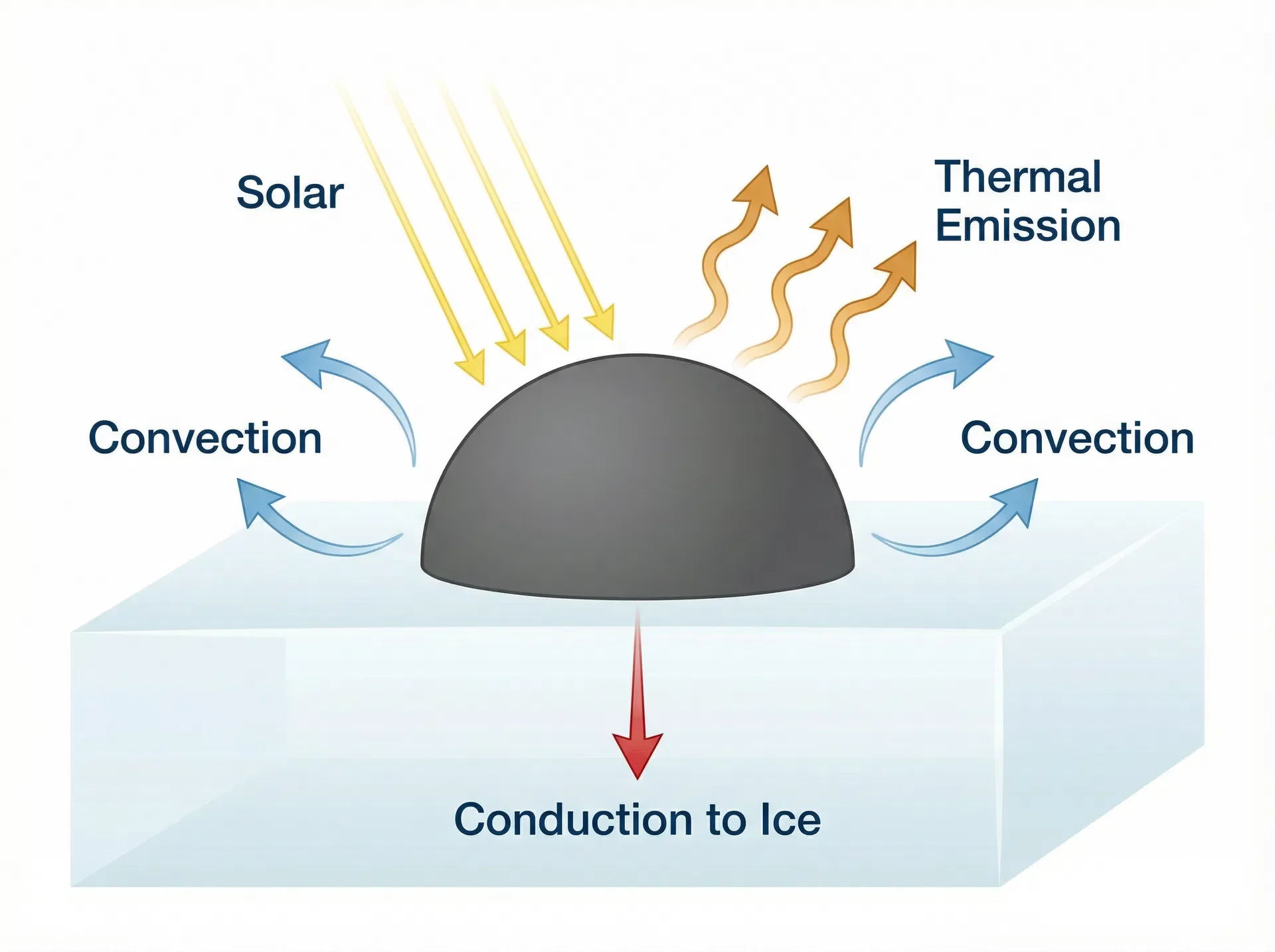
Albedo Effect, Dark Rocks, Melting Ice
The Albedo Effect - Max Planck's Black-Body Radiation Law on Glaciers
Learn how dark rocks on glacier surfaces absorb solar radiation, following Planck's black-body radiation law. These rocks heat up and speed up ice melt through heat conduction.
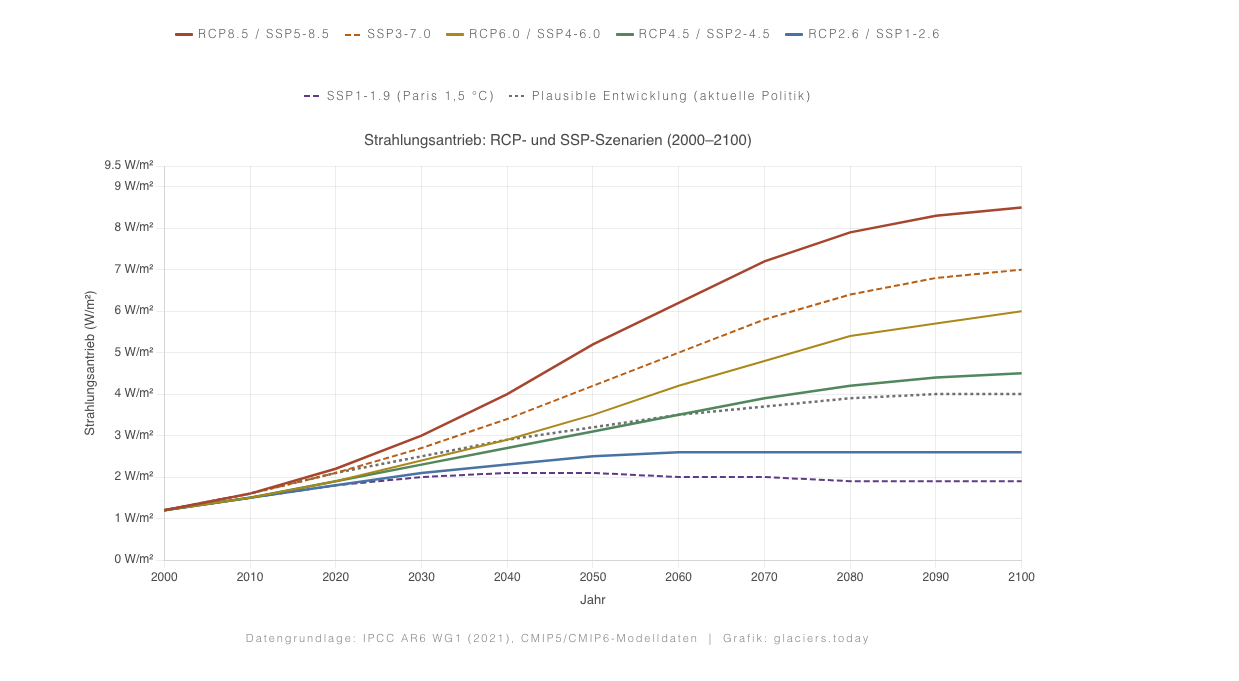
Climate models: What they calculate, and why there are so many of them.
Climate models are highly complex computer programs. Around 49 research groups worldwide use them to independently calculate how the atmosphere, oceans, and ice interact. This article explains what physical measurements are taken, why the results still differ from one another, and where the greatest uncertainties lie: in clouds, aerosols, and solar amplification mechanisms.
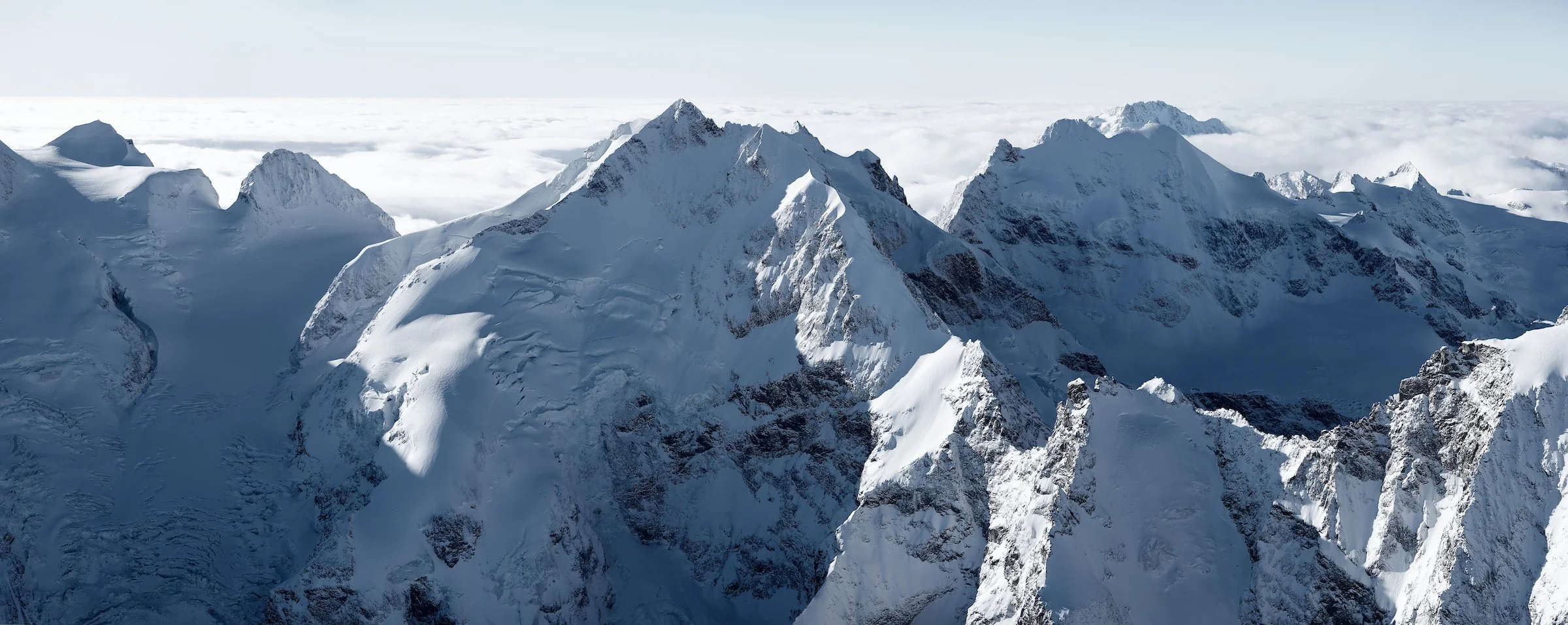
Milanković Cycles and Glaciers
Milanković Cycles explained: How Earth's orbit – its eccentricity, obliquity, and precession – has been controlling the growth and shrinking of Alpine glaciers for thousands of years.
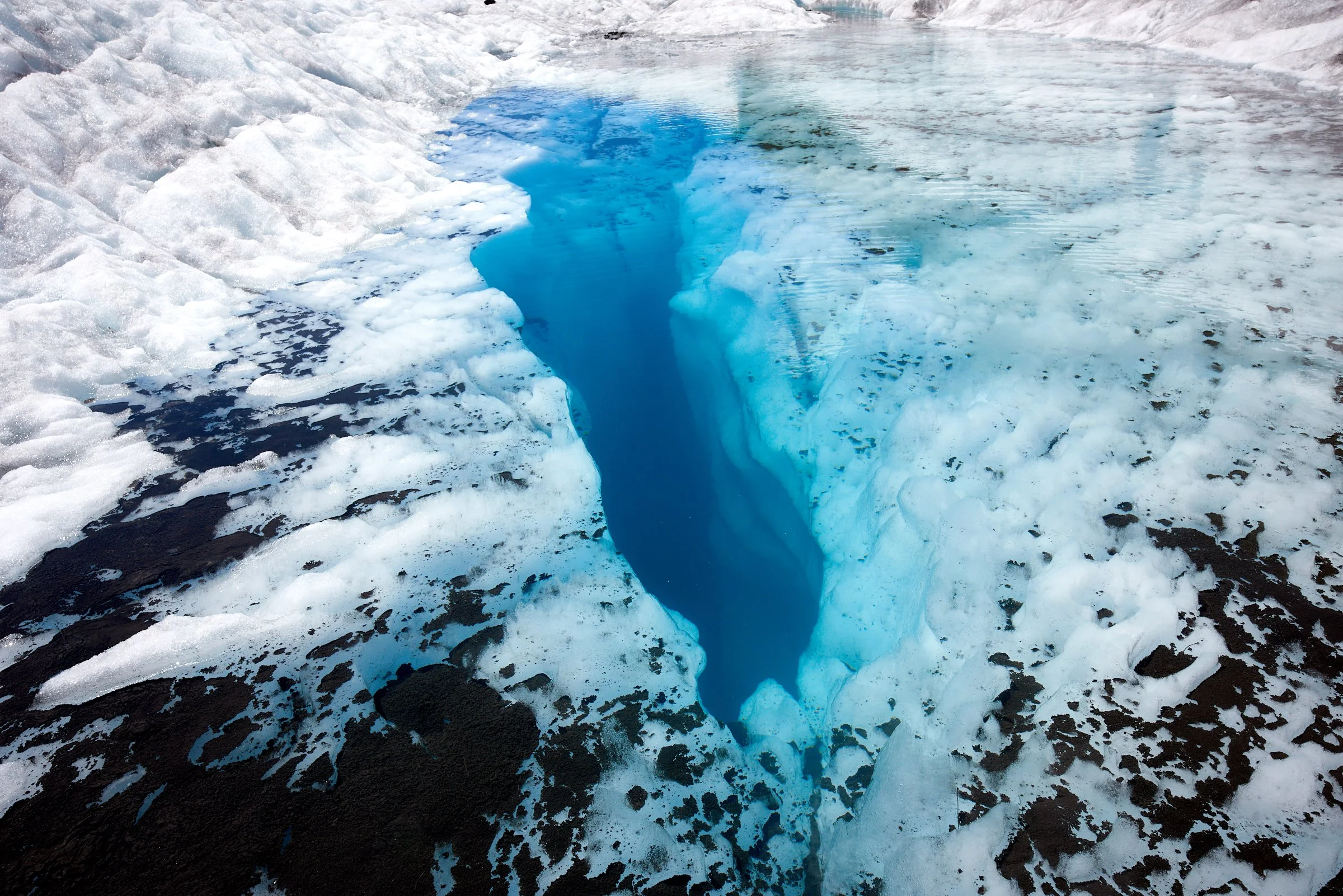
Is drinking glacier water safe or dangerous?
Glacier water looks pure—but is it? Bacteria, fungi, and antibiotic resistance genes live in the ice. Here’s what scientists have found.
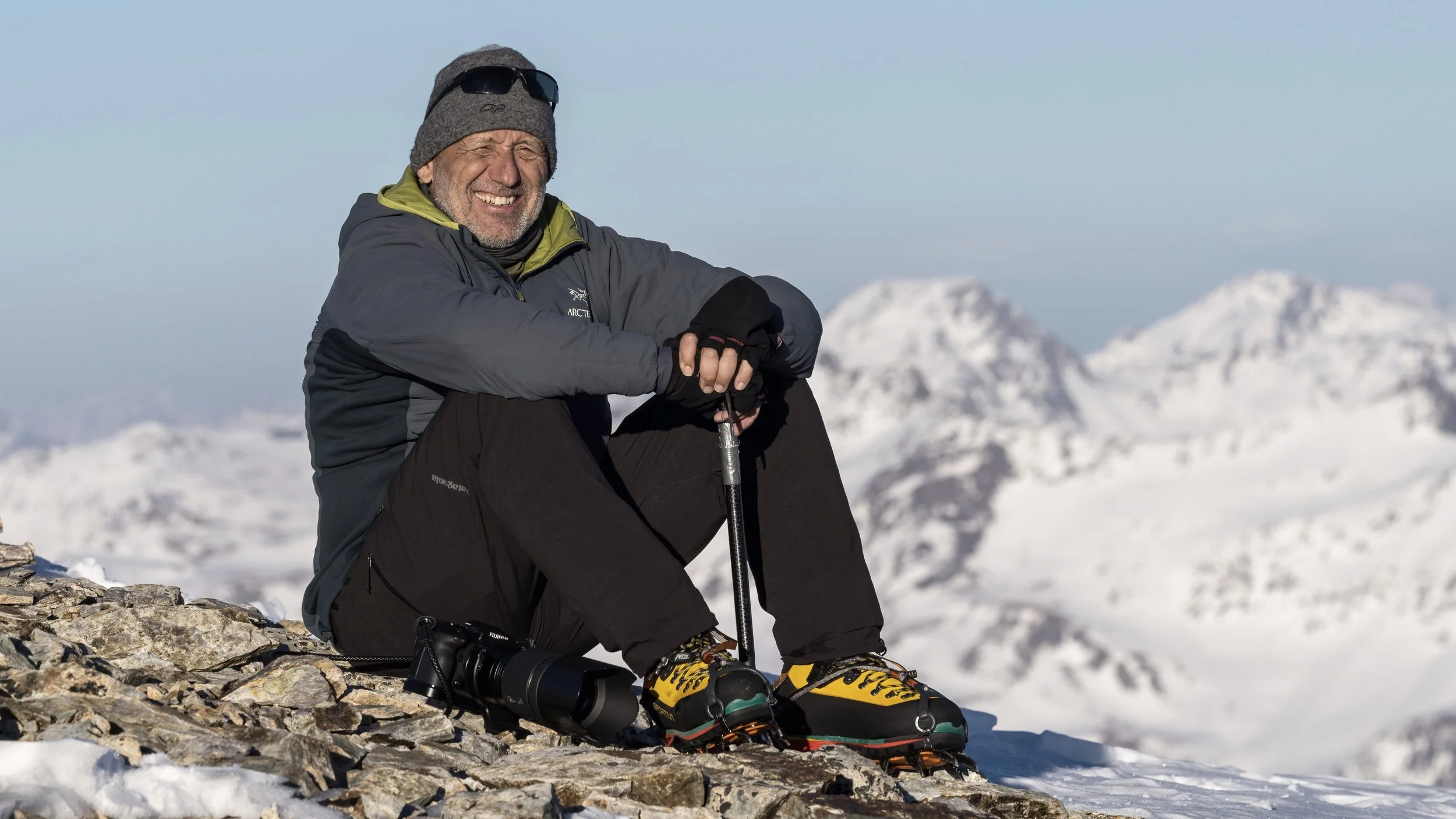
Two Years of Glaciers.Today – an Update with a Look to the Future
In just over a month, we'll be celebrating two years of Glaciers.Today – live and uninterrupted. However, the idea for the project came about many years earlier. Meanwhile, we've built up an online archive with over 30,000 high-resolution images.

Hidden Time – What the Ice at Morteratsch Tells Us
At the Morteratsch Glacier, bedrock is exposed that is up to 1,800 years old. What the ice cave reveals, how to reach it, and its scientific significance.

Energy in Nature
In Nazaré, where gigantic waves roll, I often wondered: How much energy is actually in a single wave? The answer is impressive. A wave holds enormous potential, a force that, if we could harness it, would change the world.

Solar Storm in the Alps
On the nights of May 10th to 12th, 2024, solar storms / auroras reached a peak in activity, classified as G5 – the highest level on the geomagnetic solar storm scale. At almost 3,000 meters up on the Diavolezza, our cameras captured the breathtaking aurora display.

Lots of new snow on the glacier
This winter (2024), we've actually seen more snow on the glaciers and in higher areas, even though the climate is getting warmer. This has several implications for the future of glaciers:
GLAMOS – Guardians of Swiss Glaciers
Glacier Monitoring in Switzerland (GLAMOS) is a key project for monitoring Swiss glaciers. Led by Professor Matthias Huss from ETH Zurich, it provides data to help us understand the impacts of climate change on glaciers.