
Is drinking glacier water safe or dangerous?
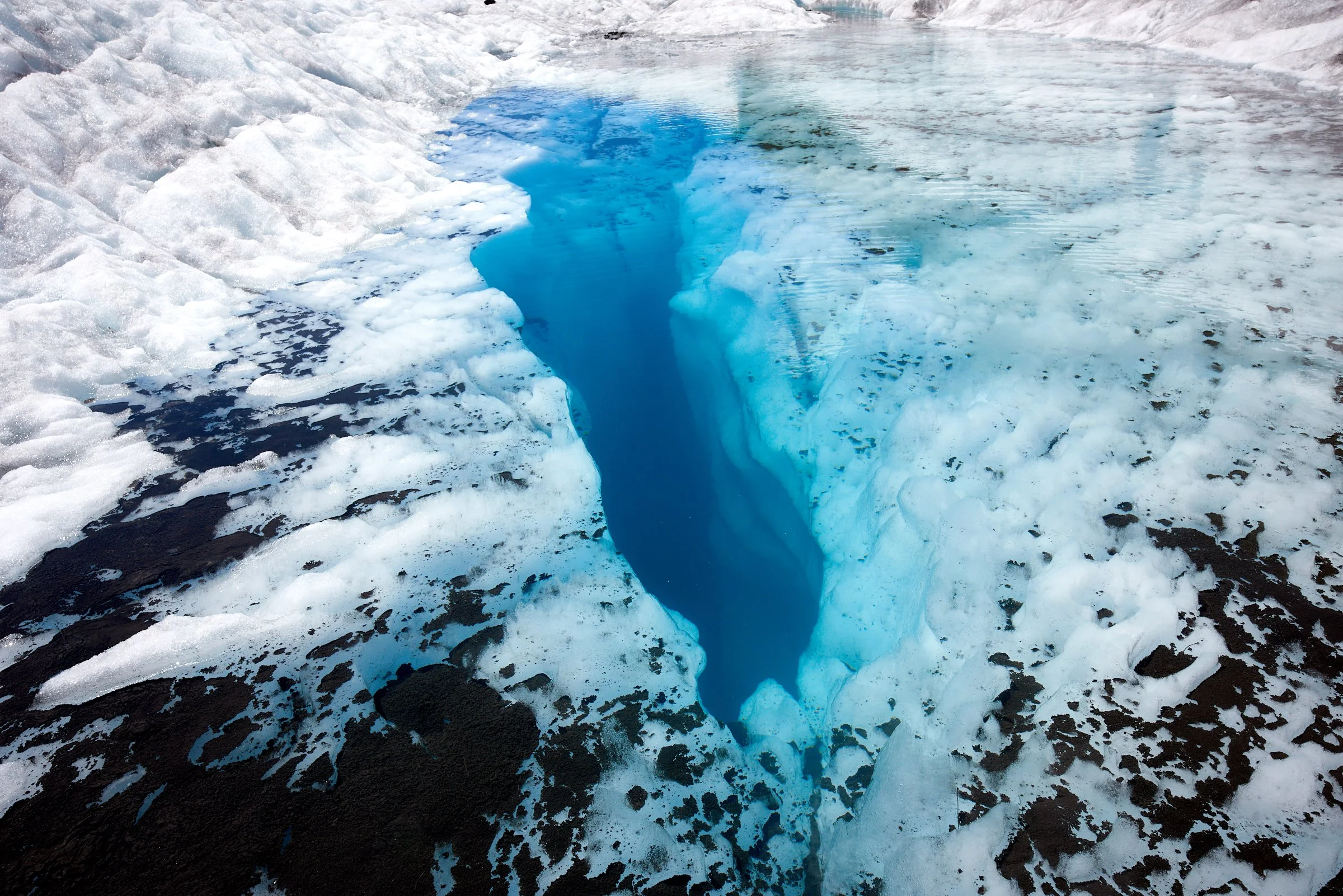
I’ve been photographing glaciers for twenty years—in Valais, the Bernese Oberland, and Graubünden. I know the sound of melting ice, the smell of wet rock. And that urge—out on the glacier, after hours of climbing, when the meltwater flows right in front of you: just to drink it. But.
And to be honest, over the years I’ve asked myself that same question a few times—and yet I’ve hesitated every single time.
I wanted to know for sure.
The water you see
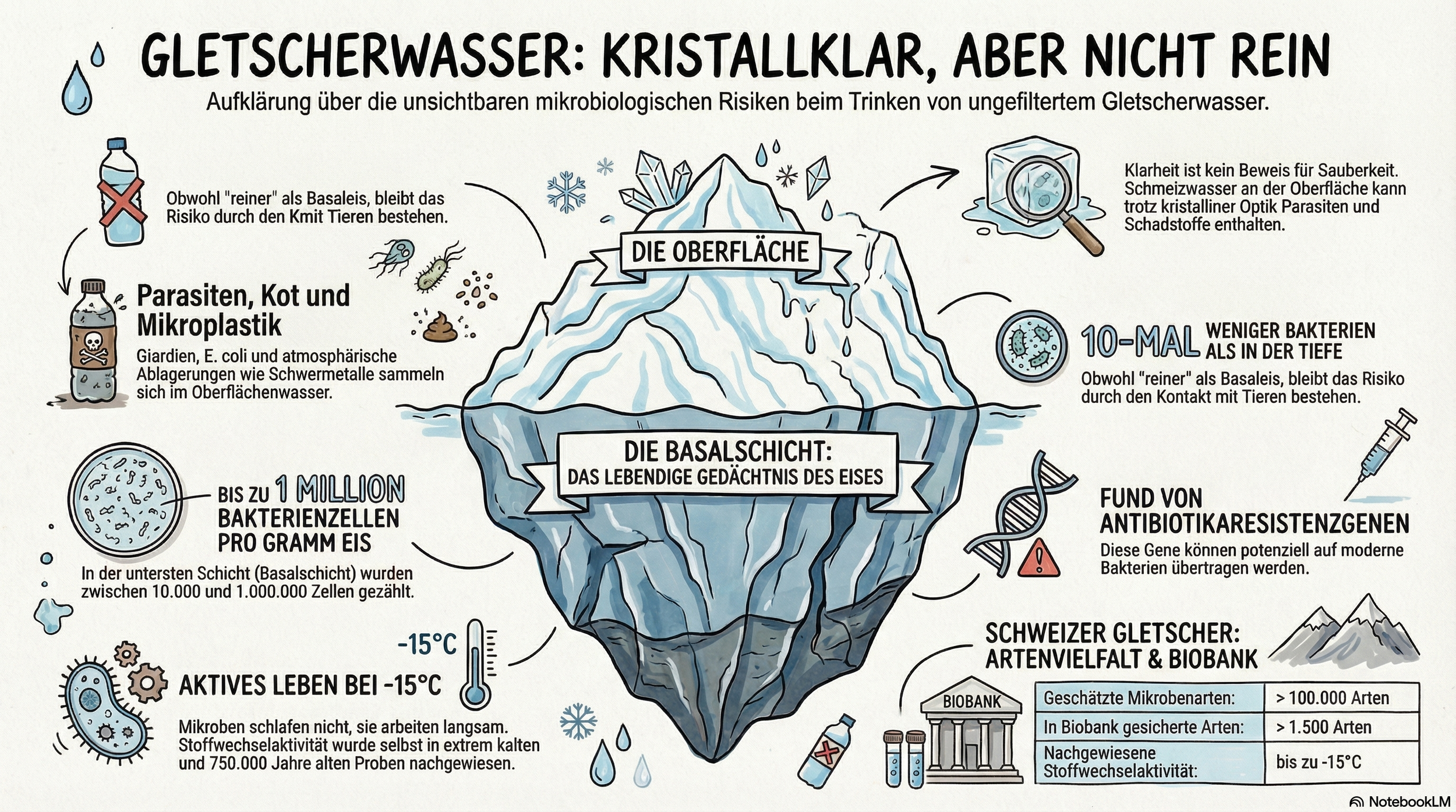
The meltwater on the surface—the water that flows over the rock and looks so clear and cold—is different from the water deep within the ice. Measurements show it contains ten times fewer bacteria. But “fewer” does not mean “none.”
The real risks here stem less from the ice itself than from what the water picks up along the way:
Parasites such as Giardia and Cryptosporidium have been detected in glacial meltwater. Giardia causes diarrhea, bloating, and stomach problems—rarely dangerous, but unpleasant.
Fecal bacteria — Studies show that bacteria from human and animal feces can survive in glacial ice for decades and are carried downstream with meltwater. Trace amounts of E. coli have been detected in meltwater streams.
Pollutants — Over the course of decades, glaciers accumulate atmospheric deposits: heavy metals, pesticides, and microplastics. When the glaciers melt, these substances are released back into the environment.
The higher up, the fresher the water, and the less contact it has with the ground and animals—the lower the risk. But that’s just a rule of thumb, not proof. Clear water looks clean. It isn’t necessarily so.

What lies even deeper
The real surprise doesn't come from the surface, but from deep below—where the ice meets the rock. There is more life in this basal layer than one would ever have imagined.
What is the basal layer? The basal ice layer (BIL) is the lowest layer of a glacier—located directly at the boundary between the ice and the bedrock. It contains rock dust, organic material, and trapped gas bubbles. It differs chemically and physically from the rest of the glacier ice and harbors microorganisms that have been preserved in the ice for thousands of years.
Bacterial species, fungi, and single-celled organisms have been identified—many of which are adapted to extreme cold and could hardly survive anywhere else. Beat Frey, a microbiologist at the Swiss Federal Institute for Forest, Snow and Landscape Research (WSL), estimates that at least 100,000 species of microbes live in Swiss glaciers alone—the vast majority of which we do not yet know.
What was measured
Direct measurements from glacier samples show:
Between 10,000 and one million bacterial cells were counted per gram of ice—depending on the sediment content
Metabolic activity was still detected at −15°C. The bacteria aren't dormant—they're active, just very slowly
Viable microorganisms have been found in ice that is over 750,000 years old
Antibiotic resistance genes were detected directly in glacial meltwater
To date, the WSL team has cultured over 1,500 microbial species from Swiss glaciers and preserved them in a biobank
What is still a hypothesis
It’s worth taking a closer look here.
Media reports sometimes give the impression that melting Alpine glaciers could release dormant pathogens capable of triggering epidemics. That sounds dramatic—but there is no evidence to support this claim regarding Alpine glaciers. Arctic permafrost is much older, frozen to a greater depth, and contains entirely different organic substances. What applies there cannot be directly applied to our glaciers.
Attempts to revive ancient influenza or smallpox viruses from thawed ice have so far failed. The major scenarios regarding potential pandemics caused by “revived ancient pathogens” are based on computer models—not on actual outbreaks.
What is more realistic is that antibiotic resistance genes from glacial ice can be transferred to modern bacteria before the glacial bacteria themselves survive. The extent of this effect in practice remains unclear.
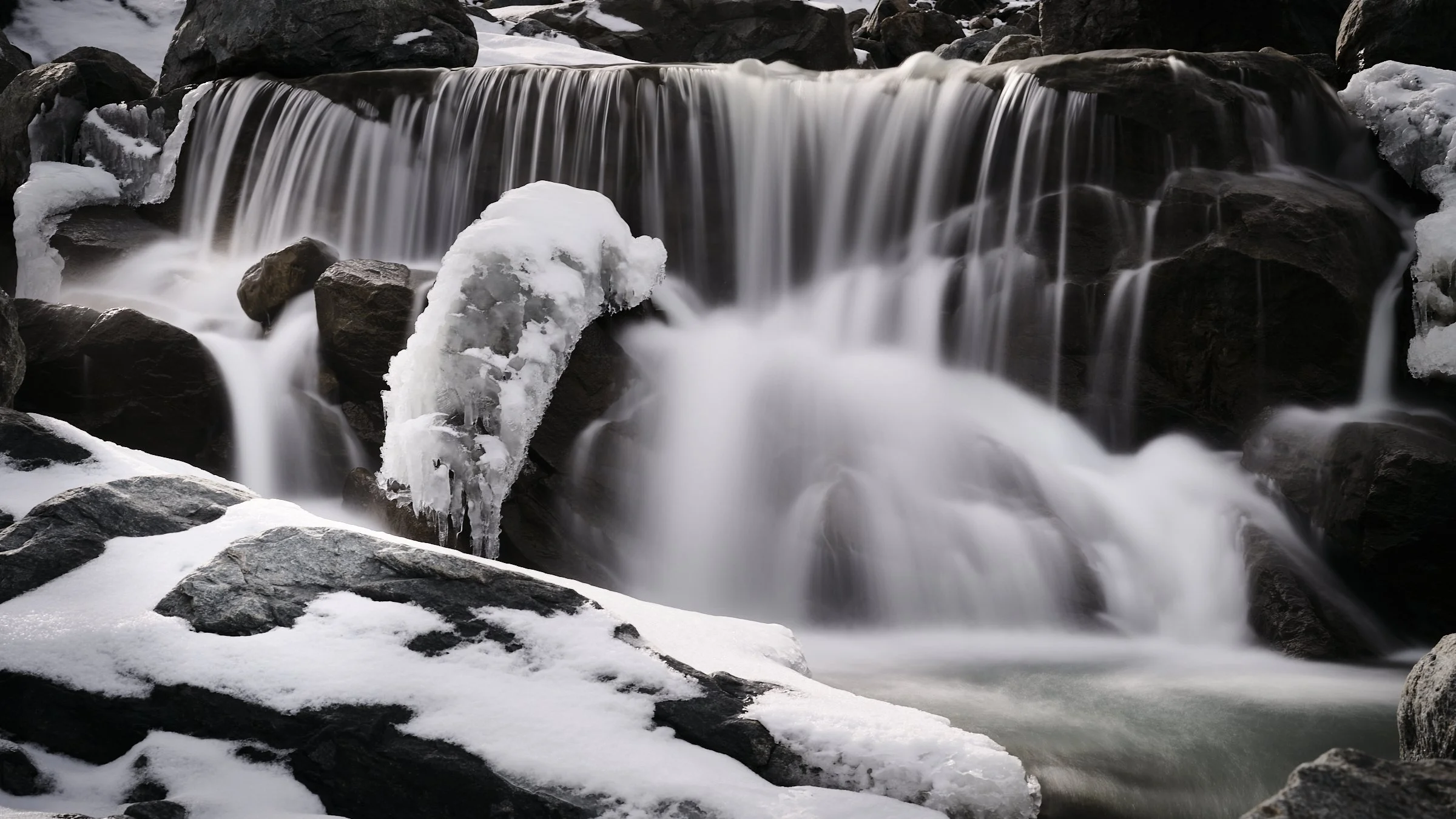
And what about our glaciers?
Alpine glaciers have hardly been studied microbiologically to date. What we know about Arctic and Antarctic glaciers gives us clues—but no direct answers—about what lives in our ice.
One thing is certain: even in the deepest, darkest layers of our Alpine glaciers, life pulsates. Slowly, invisibly—but undeniably. This is part of the full story of these landscapes.
The answer to my question
No—you shouldn’t drink it unfiltered. Neither the surface water nor the water from deeper down. Not because a disaster is looming, but because the ice holds a story we don’t yet fully understand.
Beat Frey (WSL) put it succinctly: The risk is low—but it’s not zero.
I'm filling my bottle differently today.
Common Questions
Can you drink glacier water straight from the source?
No—not unfiltered. Glacier water may contain bacteria, parasites, and antibiotic-resistant genes, even if it looks clear. Filter or boil it before drinking.
Is surface meltwater safer than groundwater?
In fact, surface water contains ten times fewer bacteria. The risks there stem more from parasites, fecal bacteria, and pollutants that the water picks up along the way.
Are bacteria in glaciers dangerous to humans?
Most glacier bacteria pose no danger to healthy people. The greater concern is antibiotic resistance genes—not direct infections.
Are there living organisms in Swiss glaciers?
Yes. The WSL is actively conducting research in this area and has already preserved over 1,500 microbial species from Swiss glaciers in a biobank.
Is the risk associated with Alpine ice different from that associated with Arctic permafrost?
Yes, significantly. Arctic permafrost is much older. The ice in Alpine glaciers is comparatively young—the risk posed by “ancient pathogens” is significantly lower there.
Sources
Scientific studies
Media reports
SRF (2025) – Researchers Discover Bacterial Diversity in Glacial Streams
Science ORF (2025) – Glacier Bacteria: Research as a Race Against Time
National Geographic Germany (2022) – Are bacteria from melting glacier ice a threat?
